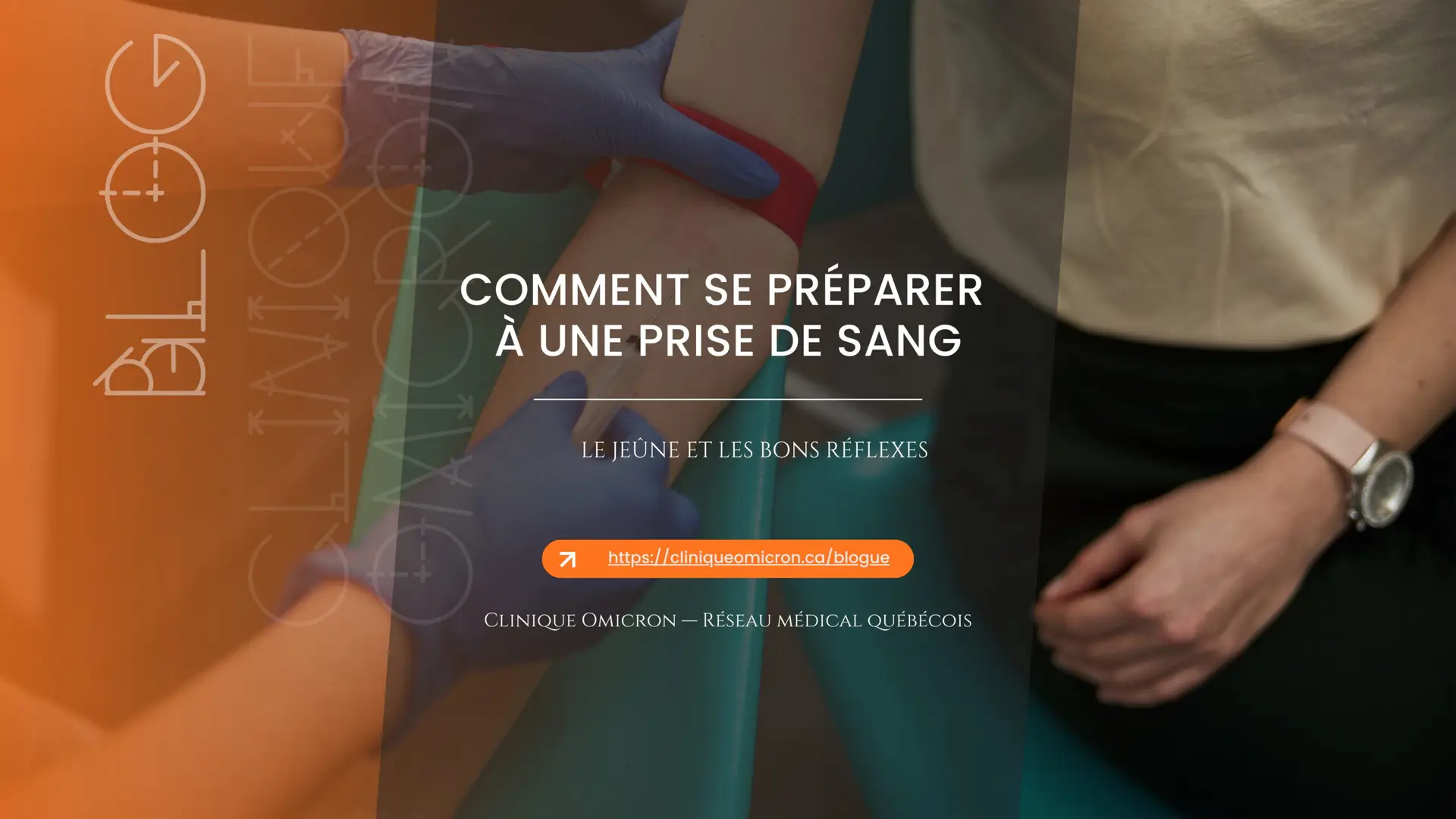

You have a prescription in hand and a piece of advice you hear often: to be on an empty stomach for a blood test. But what exactly does «fasting» mean? How many hours do you need to fast, and does this apply to all tests? Not really. Some require strict fasting, while others do not require fasting at all. A bad habit, such as having coffee first thing in the morning, can skew the results and force you to repeat the test. This guide explains how to prepare, which beverages are allowed, how to manage medications, and offers tips to ensure the test goes smoothly.
On this page
- What «on an empty stomach» Really Means
- Which tests require fasting (and which do not)?
- How many hours of fasting should you plan for?
- Water, Coffee, and Medications During Fasting
- Hydration to Make the Sample Collection Easier
- What to Bring on the Day of Your Appointment
- Managing Anxiety and Vagal Episodes
- After the sample is collected
- Myths and Misconceptions
- Frequently asked questions
- Sources
What «on an empty stomach» Really Means
The term on an empty stomach means refraining from eating or drinking anything other than plain water for a specified period before the blood draw. It’s not just about «skipping breakfast»: a sweetened herbal tea, a piece of gum, juice, or even a cup of coffee can be enough to alter certain blood levels. The goal is simple: to measure certain parameters in a stable state, without the immediate effect of a meal.
Why a Meal Can Affect the Results
After a meal, blood sugar (glucose) and fat (triglyceride) levels temporarily rise while the body processes them. For certain tests, we specifically want to measure the «baseline» value—without this variation. Eating beforehand would therefore skew the results.
- Blood sugar levels rise within minutes of eating a meal or drinking a sugary beverage.
- Dietary fats remain in the bloodstream for several hours after a meal.
- Some hormone and mineral levels are also affected by diet.
Which tests require fasting (and which do not)?
Visit fasting rule This does not apply to everything. Many routine tests are performed without any dietary restrictions. Your doctor or the laboratory will specify the instructions on the order form: read them carefully, because those instructions are the authoritative guide, not a general rule.
Tests that often require fasting
- Fasting blood glucose (blood sugar level), used in particular for monitoring and screening for diabetes.
- A complete lipid profile (cholesterol, triglycerides)—some recent protocols allow it to be performed without fasting, but many still require fasting.
- Certain tolerance tests (such as the oral glucose tolerance test).
Tests that generally do not require fasting
- Complete blood count (red blood cells, white blood cells, platelets).
- A TSH test (to assess thyroid function), in most cases.
- Several serology tests, vitamin level tests, and routine kidney and liver function tests.
- Glycated hemoglobin (HbA1c), which reflects the average blood sugar level over several weeks.
| Analysis | Is fasting usually required? | Note |
|---|---|---|
| Fasting blood glucose | Yes | Basis for measuring blood sugar |
| Lipid profile | Often | Follow the exact instructions in the request |
| Complete blood count | No | No current restrictions |
| TSH (thyroid) | No | Usually without fasting |
| Glycated hemoglobin (HbA1c) | No | Represents an average, not a specific point in time |
Key Takeaways
- «Fasting» means neither eating nor drinking (except for plain water) for the specified period of time.
- Not all tests require fasting—blood glucose tests and, often, lipid profile tests do.
- The instruction written on the request always takes precedence over a general rule.
- Even just a cup of coffee or a glass of juice in the morning can be enough to skew certain results.
- Still water is still allowed and even recommended during fasting.
- If you have any questions about a guideline, check with the lab or a healthcare professional before arriving.
How many hours of fasting should you plan for?
Visit duration of the fast It varies depending on the test, but generally speaking, blood glucose and lipid profile tests require an 8- to 12-hour fast. Fasting for much longer does not improve the results and may, in fact, cause discomfort. The ideal is to aim for the specified range—neither less nor much more.
Organizing Your Schedule
- Have your last meal the night before, and then stop eating.
- Continue to drink plain water as usual at night and in the morning.
- Ideally, come in the morning, when the overnight fast does the work effortlessly.
- Avoid alcohol the night before: it can affect certain test results, particularly those related to lipids and liver function.
| Analysis | Typical fasting duration |
|---|---|
| Fasting blood glucose | About 8 hours |
| Lipid profile (if fasting) | From 9 a.m. to 12 p.m. |
| Induced Hyperglycemia Test | According to the specific protocol provided |
Water, Coffee, and Medications During Fasting
This is where a lot of people get it wrong. The coffee, even black and unsweetened, is not neutral: caffeine can affect certain readings. Water, on the other hand, is your ally. As for medications, the general rule is not to stop taking any without consulting a healthcare professional.
What Is Allowed and What Is Not
- Still water: permitted and encouraged; it does not affect the results.
- Coffee and tea: Avoid these while fasting, even without sugar or milk.
- Juices, sugary drinks, and sodas: Avoid them—they break the fast.
- Gum, candy, cigarettes, and vaping: these should be avoided, as they can stimulate digestion or alter certain factors.
What about the usual medications?
Most medications should be taken as usual, but some may need to be taken at a different time or may affect a specific dosage. Never stop taking a medication on your own for a blood test. Ask a healthcare professional whether your medication should be taken before or after the blood draw, and list everything you’re taking, including supplements and natural products.
Do you need a blood draw order or a notice before your blood test? Make an appointment Online: Get a quick consultation with a professional via online consultation without leaving your home, or learn more about our business services in good health.
Hydration to Make the Sample Collection Easier
A good hydration does not skew the results and often makes drawing blood easier. When you are well-hydrated, your veins are more visible and easier to puncture, which reduces the risk of having to repeat the procedure. Conversely, being dehydrated can sometimes make the procedure more difficult, especially for people with thin veins.
Some Useful Tips
- Drink plain water in the evening and in the morning before your appointment.
- Avoid extreme cold right before: the warmth of your hands helps dilate your veins.
- If you tend to have difficult veins, let the person drawing the blood know.
What to Bring on the Day of Your Appointment
How to Prepare Your documents Avoids back-and-forth communication. The test request (the specimen collection order) is the key document: without it, the laboratory does not know what specimens to collect or what instructions to follow.
- Your request for testing or your order for specimen collection, in either paper or digital format.
- Your health insurance card and a form of identification.
- A list of your medications and supplements, especially if you're taking several of them.
- A light snack to eat after the blood draw, if you were fasting.
Managing Anxiety and Vagal Episodes
Visit fear of needles is common and normal. Some people experience vagal symptoms: paleness, sweating, lightheadedness, and sometimes a brief loss of consciousness. This reflex is usually harmless, but it can be prevented with a few simple steps.
Before and During the Sample Collection
- Let the person know that you tend to feel faint: they can help you lie down.
- Breathe slowly and look away if the sight of the needle makes you anxious.
- Stay well-hydrated; fasting for too long can sometimes make dizziness worse.
- Don't get up too quickly afterward; take a few moments to sit still.
If you feel unwell, speak up right away instead of «toughing it out.» The staff is used to this and will be able to help you. If you experience severe or unusual symptoms, consult a healthcare professional.
After the sample is collected
Once the sample has been collected, a few precautions help prevent bruises and help you get back on your feet, especially if you were fasting.
- Apply gentle pressure to the puncture site for a few minutes, without bending your arm suddenly.
- Eat your snack and drink some water if you haven't eaten anything yet.
- Avoid carrying heavy loads with that arm for the next few hours.
- A small bruise may appear; it usually goes away within a few days.
The results are then sent to the doctor who ordered the tests. It is the doctor—not the laboratory—who interprets them based on your specific situation. Do not draw your own conclusions based on an abnormal result; that is the role of a healthcare professional.
Myths and Misconceptions
«You must always be on an empty stomach for a blood test.»
False. Many routine tests are performed without any dietary restrictions. Only certain tests, such as fasting blood glucose and, often, lipid profiles, require them. The instructions are always indicated on the test request form.
«A black coffee doesn't count, since it has no calories.»
False. Caffeine is not neutral and can affect certain measurements. During a fast, stick to plain water.
«The longer I fast, the more reliable the result will be.»
Nuanced. Beyond the recommended duration, fasting any longer does not improve anything and can cause discomfort. Aim for the recommended range, without overdoing it.
«I need to stop taking my medication before the blood test.»
False. Never stop taking a medication on your own. If an adjustment is needed, a healthcare professional will let you know.
«Drinking water skews the results.»
False. Plain water is allowed during fasting. Staying well-hydrated actually makes it easier to draw blood by making the veins more accessible.
Frequently asked questions
How long do you need to fast before a blood test?
Usually 8 to 12 hours for blood glucose and lipid profile tests. The exact time is listed on your request form; follow those instructions rather than a general guideline.
Can I drink water on an empty stomach?
Yes. Plain water is allowed and even recommended. It does not affect the results and makes it easier to collect the sample.
Can I take my medication on the morning of the blood test?
Generally speaking, yes, but it depends on the medication and the test results. Do not stop taking any medication without consulting a healthcare professional, and check with one if you have any doubts.
Does black coffee break the fast?
Yes, you should avoid it while fasting. Even without sugar or milk, caffeine can affect certain measurements.
What should I do if I feel weak or faint?
Report it immediately to the person drawing the blood, remain seated or lying down, and then eat your snack. If you experience severe or unusual discomfort, consult a healthcare professional.
Where can I have my blood drawn?
Testing is available at our network of service locations in Quebec. You can schedule your visit through our appointment page or explore our entire selection of services.
Sources
- Quebec Professional Order of Medical Technologists (OPTMQ) — optmq.org
- National Institute for Excellence in Health and Social Services (INESSS) — inesss.qc.ca
- Diabetes Quebec — diabete.qc.ca
- Quebec Ministry of Health and Social Services (MSSS) — msss.gouv.qc.ca
- Government of Canada — Diabetes (Overview) — canada.ca
- Québec.ca Portal — Health and Health Services — quebec.ca/sante
Medical consultation | Clinique Omicron
Omicron Clinic
Need to consult a doctor?
In-person or via telemedicine, anywhere in Quebec.
We accept insurance. Telemedicine consultations available 7 days a week. No family doctor required.