
Visit Ebola virus is a recurring topic in international news. The World Health Organization (WHO) recently released its recommendations on treatments and vaccine candidates to curb the new outbreak of the Bundibugyo variant affecting eastern Democratic Republic of the Congo. For Quebecers, the direct risk remains very low, but the issue is a concern for travelers, healthcare professionals, and families. This journalistic guide provides an overview of what you need to know, without causing alarm: the nature of the virus, modes of transmission, the status of vaccine research, and practical advice before traveling.
On this page
- What Is the Ebola Virus?
- Current Situation: Outbreak in the DRC
- Modes of transmission and incubation
- Symptoms and Clinical Course
- Vaccines and Treatments: Where Do We Stand?
- Advice for Travelers from Quebec
- Response Capacity of the Quebec System
- Myths and Misconceptions
- Frequently asked questions
What Is the Ebola Virus?
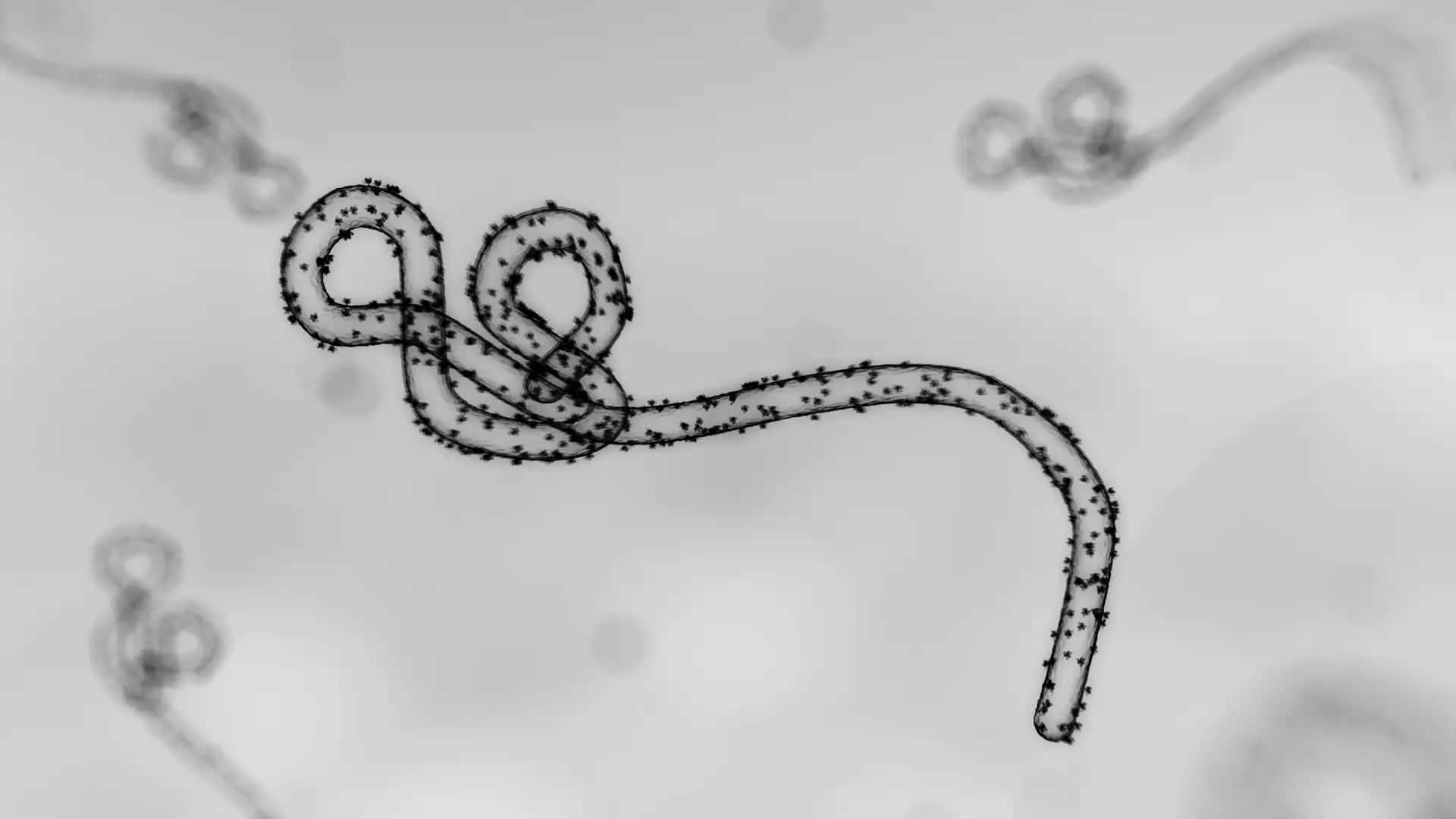
The Ebola virus belongs to the family of Filoviridae. It causes a severe hemorrhagic disease in humans and certain primates. The most likely natural reservoir consists of fruit-eating bats, from which the virus can be transmitted to other animals and then to humans.
The main known variants
| Variant | Historical Region | Special features |
|---|---|---|
| Zaire | Central Africa | The deadliest and most thoroughly studied |
| Sudan | East Africa | Recurring outbreaks |
| Bundibugyo | Uganda, DRC | The variant responsible for the current surge |
| Taï Forest | Ivory Coast | Rare Human Cases |
| Reston | Southeast Asia, Philippines | No documented cases of the disease in humans |
Each variant has its own virulence profile and its own specific prevention needs. That is why a vaccine approved for the Zaire variant does not necessarily provide protection against the Bundibugyo variant.
Current Situation: Outbreak in the DRC
The current surge is due to the variant Bundibugyo. According to the report released by Africa CDC, the African Union’s health agency, more than 1,000 suspected cases and several hundred deaths have been recorded. The epicenter is located in Ituri Province, in the eastern part of the Democratic Republic of the Congo. The rugged terrain and logistical challenges are complicating contact tracing, which is slowing down containment efforts.
International Response
- Involvement of the WHO, Africa CDC, and several scientific partners.
- Accelerated evaluation of candidate treatments and vaccines.
- Strengthening surveillance and screening.
- Community efforts to facilitate contact tracing and safe burials.
Key Takeaways
- The variant in question is Bundibugyo, not Zaire.
- The facility is located on the ground floor, a very long way from Quebec.
- No cases have been reported in Quebec in connection with the current outbreak.
- The international response relies on proven tools.
- Specific vaccines and treatments are undergoing expedited reviews.
- Information changes quickly: be sure to consult up-to-date official sources.
Modes of transmission and incubation
The Ebola virus is transmitted through direct contact through contact with a sick person’s bodily fluids—blood, vomit, feces, sweat, urine, breast milk, and semen—or with contaminated surfaces and objects. It is not transmitted through the air in the same way as seasonal viruses such as the flu or COVID-19.
Documented routes of transmission
- Providing care to an infected patient without protective equipment.
- Handling a Deceased Person During Funeral Rites.
- Direct contact with infected animals (hunting, bush meat).
- Sexual transmission is possible several months after recovery, through semen.
Incubation period
The incubation period ranges from 2 to 21 days. A person becomes contagious only when symptoms appear, which distinguishes the Ebola virus from other pathogens that are more easily transmitted before the first signs appear.
Key Takeaways
- The transmission requires direct contact with fluids.
- The virus is not transmitted through respiratory droplets.
- Unprotected sex is a risky behavior.
- Funeral rites serve as a context for the transmission of traditions.
- Late sexual transmission is possible.
- The incubation period ranges from 2 to 21 days; the disease is not contagious before symptoms appear.
Symptoms and Clinical Course
The first symptoms resemble those of other viral infections and can delay diagnosis, especially outside the context of a known outbreak.
Initial Phase
- Sudden fever.
- Extreme fatigue.
- Headaches.
- Muscle and joint pain.
- Sore throat.
Exacerbation phase
- Vomiting and severe diarrhea.
- Liver and kidney damage.
- Internal or external bleeding in severe cases.
- Multiple organ failure.
Early treatment at a specialized center significantly improves the chances of survival, thanks to rigorous hydration, correction of electrolyte imbalances, and support for vital functions.
Vaccines and Treatments: Where Do We Stand?
The WHO recently provided an update on the treatment and prevention options evaluated in the context of the current outbreak of the Bundibugyo variant. Several experimental products are considered promising enough to warrant priority evaluation in field clinical trials.
Treatments Under Evaluation
- Monoclonal antibodies MBP134 and Maftivimab.
- The antiviral drug remdesivir.
- A combination of a monoclonal antibody and remdesivir.
- Obeldesivir, an oral antiviral drug, is being studied for contact prophylaxis.
Vaccine candidates
| Candidate | Design | Development Status |
|---|---|---|
| rVSV Bundibugyo | IAVI | Available for clinical evaluation in about seven to nine months |
| ChAdOx1 Bundibugyo | University of Oxford and the Serum Institute of India | May be available in two to three months, pending additional animal data |
| Ervebo | Approved for use against the Zaire variant | Not approved for the Bundibugyo variant; to be used only in research protocols |
The WHO reiterates that the priority remains to interrupt transmission using tools that have been proven effective for decades: surveillance, rapid testing, contact tracing, isolation, infection prevention and control, community mobilization, and safe and dignified burials.
Are you planning a trip to Central or East Africa? Our teams can review your vaccination records and provide you with the latest recommendations. Discover our services, explore our solutions for businesses, choose the teleconsultation or Make an appointment online.
Advice for Travelers from Quebec
Visit risk For the average traveler from Quebec, the risk remains low, especially outside the areas affected by the outbreak. Standard travel health recommendations apply, along with increased vigilance in high-risk regions.
Before Departure
- Review the Government of Canada's official travel advisories.
- Check the general vaccination recommendations: hepatitis A and B, yellow fever, meningitis, and typhoid, depending on your destination.
- Review your medical records with your family doctor.
- Prepare a first-aid kit that includes an oral rehydration solution, hand sanitizer, and basic supplies.
- Make sure you have adequate travel insurance coverage.
On site
- Avoid contact with sick people, especially in healthcare settings.
- Do not handle wild animals, whether alive or dead, or consume bush meat.
- Practice strict hand hygiene.
- Avoid funeral rites that involve direct contact with a deceased person.
- When facing a health issue, choose recognized healthcare facilities.
On the way back
- Monitor for symptoms for 21 days after returning.
- If you develop a fever, contact Info-Santé 811 or a doctor immediately, and mention your travel history.
- Avoid close contact while awaiting a medical evaluation.
Response Capacity of the Quebec System
Quebec has a system for surveillance of emerging infectious diseases coordinated by the Directorate General of Public Health, the Quebec Public Health Laboratory, and the Committee on Infectious Diseases. Protocols are in place for the early detection, isolation, and management of potential imported cases.
- Early-warning networks for primary care physicians.
- Assessment protocols at the borders and in designated hospitals.
- Laboratory diagnostic capabilities at an appropriate biosafety level.
- Contingency plans for managing suspected cases.
For patients in Quebec, the main message remains simple: tell your doctor if you have recently traveled to a high-risk area, and seek medical attention promptly if you develop a fever or unusual symptoms.
Myths and Misconceptions
«The Ebola virus spreads like the flu.»
False. The Ebola virus is transmitted through direct contact with bodily fluids or contaminated objects. It is not spread through the air like seasonal flu.
«The Ervebo vaccine protects us against all strains.»
False. Ervebo is approved for use against the Zaire variant. For the Bundibugyo variant responsible for the current outbreak, its cross-protection has not been confirmed, and the WHO recommends using it only as part of research protocols.
«Quebec must prepare for an Ebola outbreak.»
Nuanced. The risk of community transmission in Quebec remains very low. The residual risk primarily concerns the importation of isolated cases, which is already addressed by existing protocols.
«With early treatment, people always recover from Ebola.»
Nuanced. Early treatment significantly improves survival, but the prognosis depends on the variant, access to specialized care, and the context. Some historical outbreaks have had very high mortality rates.
«There's no need to see a doctor before traveling to Africa.»
False. A pre-trip consultation helps ensure that vaccinations, malaria prophylaxis, a first-aid kit, and guidelines for managing symptoms are tailored to the traveler’s needs. This step protects both the traveler and the community.
Frequently asked questions
Is there currently a risk of Ebola in Quebec?
The risk to the general public remains very low. The current outbreak is occurring in the Democratic Republic of the Congo, a great distance away, and the mode of transmission makes community spread outside the affected areas unlikely.
Is there a vaccine available in Quebec against Ebola?
One vaccine, Ervebo, is authorized for use against the Zaire variant and is not administered to the general population. No vaccine specifically targeting the Bundibugyo variant has yet been authorized. Vaccine candidates are undergoing accelerated evaluation.
What symptoms should prompt you to seek medical attention promptly after traveling?
Any fever that develops within 21 days of traveling to a high-risk area should be evaluated by a doctor. Severe headaches, diarrhea, vomiting, intense muscle pain, or unusual bleeding are symptoms that should be reported immediately.
My employer sends employees on business trips to Africa. What should I do?
A structured pre-departure check is recommended: review of medical history, vaccination updates, travel health advice, a first-aid kit, and a plan of action in case of symptoms. Our team supports businesses through the Business Services page.
Who should you contact first if you have any concerns?
For Quebecers, the first step is to contact Info-Santé 811 or their doctor. In case of an emergency, go to the emergency room and inform the staff of any recent travel to a high-risk area so that you can be properly evaluated.
Can the Ebola virus be transmitted after recovery?
Sexual transmission through semen remains possible for several months after recovery. For this reason, medical follow-up and specific precautions are recommended for people who have recovered, in accordance with guidelines from health authorities.
Sources
- World Health Organization (WHO) — Update on Ebola Virus Disease (who.int)
- Africa CDC — Ebola Epidemiological Bulletins (africacdc.org)
- Government of Canada — Travel Advice (travel.gc.ca)
- Quebec National Institute of Public Health (INSPQ) — Infectious Disease Fact Sheets (inspq.qc.ca)
- Quebec Ministry of Health and Social Services (MSSS) — Reportable Diseases (msss.gouv.qc.ca)
- Public Health Agency of Canada (PHAC) — Fact Sheet on the Ebola Virus (canada.ca/sante-publique)
- National Advisory Committee on Immunization (NACI) — Travel Health Statements (canada.ca/sante-publique)
Medical consultation | Clinique Omicron
Omicron Clinic
Need to consult a doctor?
In-person or via telemedicine, anywhere in Quebec.
We accept insurance. Telemedicine consultations available 7 days a week. No family doctor required.