
Orthopedic services
Orthopedics
Our orthopedists carry out detailed assessments to identify the precise source of your pain or limitations. The clinical examination analyzes joint mobility, muscle strength, posture, gait and pain mechanisms. This precise approach facilitates rapid and reliable musculoskeletal diagnosis, essential for targeted and effective treatment.
Specialized assessment
Discover our orthopedic services
Our orthopedists carry out detailed assessments to identify the precise source of your pain or limitations, joint mobility, muscle strength, posture, gait and pain mechanisms, for a prompt diagnosis and targeted treatment.
- Comprehensive assessment of joint and musculoskeletal pain
- Diagnosis of sports injuries: sprains, tears, tendonitis, bursitis
- Analysis of mobility and posture disorders
- Screening and follow-up of osteoarthritis (knee, hip, shoulder, spine)
- Referral for imaging as needed (X-ray, MRI, ultrasound)
- Management of knee pain: meniscus, ligaments, osteoarthritis
- Managing shoulder pain: rotator cuff, instability, capsulitis
- Assessment of low back and neck pain
- Arthroplasty (partial or total) of hips and knees
- Treatment of joint and tendon inflammation
- Joint injections (cortisone, viscosupplementation, PRP) as indicated
- Nursing follow-up: monitoring, teaching, preventing complications
- Rehabilitation programs in collaboration with physiotherapy, ergo, chiro and kinesiology
- Optimizing movement and preventing injury
- Support after an orthopedic procedure: mobility, pain, progress
- Personalized advice for sport, work and daily activities
- Clinical follow-up for chronic pain and persistent mechanical disorders
Injectable treatments
Injections offered at Clinique Omicron
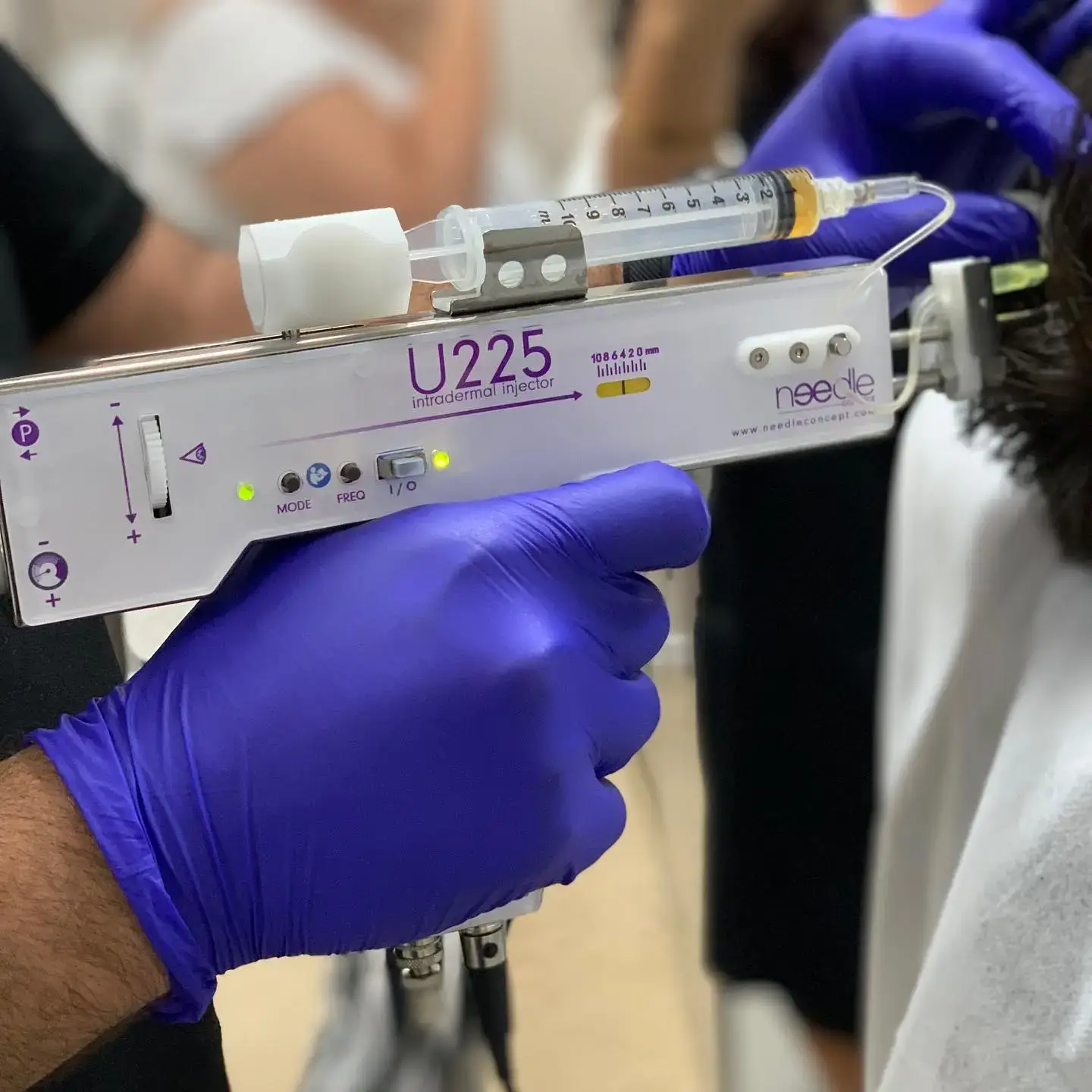
Our orthopedists perform targeted, safe joint injections according to your clinical needs. These procedures help quickly relieve pain, reduce inflammation and promote joint recovery, as a complement or alternative to surgical treatment.
Learn more about our injections →Access to a professional without leaving your home
Telemedicine in orthopedics
Telemedicine in orthopedics allows you to receive specialized medical follow-up from home. Our orthopedists can help you understand your diagnosis, adjust your treatment plan, suggest suitable exercises and answer your questions about how your pain or mobility is evolving.
Accessible care throughout Québec




Frequently asked questions about orthopedics
Osteoarthritis, sports injuries, injections, rehabilitation, joint pain and telemedicine, everything you need to know about our orthopedic services at Clinique Omicron.
Orthopedists assess all types of joint, muscle, ligament and tendon pain: knee (osteoarthritis, meniscus, cruciate ligaments), hip (osteoarthritis, bursitis), shoulder (rotator cuff, instability, adhesive capsulitis), ankle (sprains, Achilles tendon), spine (low back pain, neck pain, herniated disc), as well as sports injuries and chronic inflammation. The goal is to make an accurate diagnosis in order to direct you to the most effective treatment.
Yes. Our orthopedists perform three types of injections: cortisone (for acute inflammation related to osteoarthritis, tendinitis or bursitis), viscosupplementation with hyaluronic acid (to improve joint lubrication, particularly in the knee) and PRP, or platelet-rich plasma (to stimulate natural tissue repair in chronic tendinopathies and certain arthropathies). All procedures are performed in a targeted and safe manner according to your clinical condition.
Osteoarthritis is the progressive breakdown of joint cartilage, causing pain, stiffness and limited mobility. It mainly affects the knee, hip, shoulder and spine. Orthopedic management includes muscle-strengthening exercises, mobility aids, injections (cortisone, hyaluronic acid, PRP), kinesiology and physiotherapy. In advanced stages, arthroplasty (partial or total joint replacement) may be considered. The goal is to maintain quality of life for as long as possible without surgery.
Yes. Managing sports injuries is one of our specialties. Ligament sprains, meniscal tears, rotator cuff injuries, tendinitis, stress fractures, periostitis and overuse syndromes are assessed and treated. We coordinate with physiotherapy, sports medicine and kinesiology for a gradual, safe return to sport adapted to your level of activity. A recurrence prevention plan is established in every case.
Adhesive capsulitis (or frozen shoulder) is an inflammation of the shoulder joint capsule that causes progressive pain and a significant loss of mobility. It progresses through three phases: painful, stiff and recovery. Management includes cortisone injections to reduce inflammation, a physiotherapy program to restore mobility and, in some cases, manipulation under anesthesia. An early orthopedic assessment can shorten the natural course of the condition.
Yes, in many cases. Teleconsultation is effective for reviewing imaging results, therapeutic advice, post-injection follow-up, adjusting a rehabilitation plan and a first opinion on persistent pain. For complex injuries, cases requiring a full clinical examination (palpation, mobility tests, neurovascular assessment) or surgical decisions, an in-person consultation is still necessary.
Arthroplasty is the partial or total replacement of a joint with an artificial prosthesis to relieve pain and restore mobility in cases of advanced osteoarthritis. It is performed on hips (total hip replacement, THR) and knees (total or unicompartmental knee replacement, TKR). The orthopedic assessment determines whether surgery is indicated based on the severity of symptoms, radiological findings and the impact on quality of life. A post-operative rehabilitation program is always part of the treatment plan.
Rehabilitation after an orthopedic intervention (injection, surgery, injury) is coordinated by our multidisciplinary team. It generally includes physiotherapy to restore mobility and strength, kinesiology for progressive strengthening and a return to activities, occupational therapy to adapt to daily activities, and regular medical follow-up to monitor progress and prevent complications. A personalized plan is established based on the type of intervention, your age and your functional goals.
Yes. Lumbar pain (low back pain, herniated disc, spinal stenosis) and cervical pain (neck pain, cervicobrachial neuralgia, cervical osteoarthritis) are assessed in detail. The clinical examination includes an analysis of mobility, reflexes, sensation and muscle strength. Imaging (X-ray, MRI) may be indicated to clarify the diagnosis. Management combines medical treatment, physiotherapy, epidural or facet injections depending on the indication, and postural advice.
No. No medical referral is required to see our orthopedists at Clinique Omicron. You can book an appointment directly, whether for a first opinion, follow-up or a second opinion. If you have imaging results (X-rays, MRI, ultrasound) or previous medical notes, bring them to your consultation to facilitate the assessment and make the most of your consultation time.
Orthopedic medical consultations performed by a participating physician are generally covered by the RAMQ when medically indicated. Certain services performed in a private clinic (injections, imaging, certain specialized follow-ups) may be billed separately. The CNESST and the SAAQ cover care related to workplace or road accidents. See our Pricing section or contact the clinic to find out the terms that apply to your situation.
You can book an appointment through our online portal, by phone at 514 606-3350 or by email at info@cliniqueomicron.ca. Consultations are offered in clinic or by telemedicine depending on your situation. Bring your imaging results (X-rays, MRI, ultrasound), your medication list and, if available, a summary of your medical history to allow a complete assessment at the very first appointment. No medical referral is required.