
Your well-being is our priority
Your partner in occupational health and safety
Occupational health and safety (OHS) training and consulting by Clinique Omicron, tailored to the needs of individuals and companies. Our programs combine prevention and education to create safe working environments. Our team's expertise helps identify and manage risks, optimize work practices and develop a robust health and safety culture within your organization.
Occupational health and safety training and consulting
Comprehensive support for employers and workers in Quebec, from risk assessment to CNESST compliance, including customized training delivered on site at your company.
Prevention program and OHS action plan
Development of a prevention program that meets the requirements of the LSST and the Regulation respecting prevention programs: risk identification, corrective measures, timeline and responsibilities.
Occupational risk assessment
Inspection and analysis of workstations, identification of physical, chemical, biological, ergonomic and psychosocial hazards. Assessment report with a prioritized corrective action plan.
Customized OHS training at your company
Training for workers, supervisors and managers based on identified needs: WHMIS 2015, lockout, working at heights, safe material handling, MSD prevention, machine safety. Certificates issued.
CNESST compliance support
Preparation for CNESST inspections, analysis of correction notices, implementation of the required corrective measures and follow-up on regulatory compliance under the Act respecting occupational health and safety.
Workplace accident investigation and analysis
On-site investigation after an incident or accident: cause tree method, CNESST-compliant investigation report, identification of immediate and root causes, documented corrective measures.
Workplace wellness and mental health programs
Workshops on preventing psychosocial risks, stress management, burnout, violence and harassment. Programs for a safe return to work after a prolonged absence.
Remote clinic management
Set-up, staffing and management of medical clinics in remote regions or on work sites: nurses, physicians, medical equipment, emergency protocols adapted to accessibility constraints.
Worker health assessments
Pre-employment medical examinations, periodic health assessments, fitness-for-work evaluations, monitoring of workers exposed to biological, chemical or physical agents. LSST compliance.
Training for OHS committees and representatives
Training for members of the occupational health and safety committee (CSST) and prevention representatives: roles, legal obligations, inspection methods, rights and remedies under the LSST.

A safe work environment
Clinique Omicron supports Quebec employers with CNESST compliance, training their teams and managing accidents, with a hands-on approach, not a theoretical one.
- OHS training workshops delivered directly at your premises, at the times of your choice
- Occupational risk assessment by workstation, with a prioritized report
- Workplace wellness programs and prevention of psychosocial risks
Get a quote for your company
Workplace training, risk assessment, customized OHS protocols: get a personalized quote based on the size of your company and your regulatory obligations in Quebec.
Structured support, from audit to compliance
Our OHS advisors work in 5 steps to turn your prevention efforts into a robust, compliant and sustainable system.
Initial meeting and diagnosis
Analysis of your sector of activity, your legal obligations (LSST, LATMP), your accident history and the current state of your prevention program.
Gratuit · 60 minOn-site inspection and assessment
Visit of your premises or work sites: identification of hazards by workstation, analysis of practices, verification of personal protective equipment (PPE) and WHMIS compliance.
On-siteReport and prioritized action plan
Complete assessment report with risks classified by priority level (immediate, short term, long term), recommended corrective measures and an estimate of the time needed to achieve compliance.
Remis sous 5 jours ouvrablesTraining delivery
Delivery of the selected training directly at your premises, at the times of your choice: day, evening or weekend. Certificates provided to each participant. Eligible for training tax credits.
In the companyFollow-up and annual update
Periodic reassessment of the prevention program, updates following CNESST regulatory changes and follow-up on the implementation of the recommended corrective measures.
Contrat annuel disponibleFormations disponibles
The training courses are recognized by the Ministère de l'Emploi, de la Solidarité sociale et de la Famille. A certificate of participation is given to each employee. Vocational training tax credits may apply under the Act to promote workforce skills development and recognition (the 1% Act).
Corporate Services
Clinique Omicron works with companies to promote safe and healthy workplaces. Our services include safety training workshops, occupational risk assessments to minimize hazards, and workplace wellness programs, all tailored to meet the specific needs of your organization.
- Workplace health and safety training workshops
- Occupational risk assessments
- Workplace wellness programs
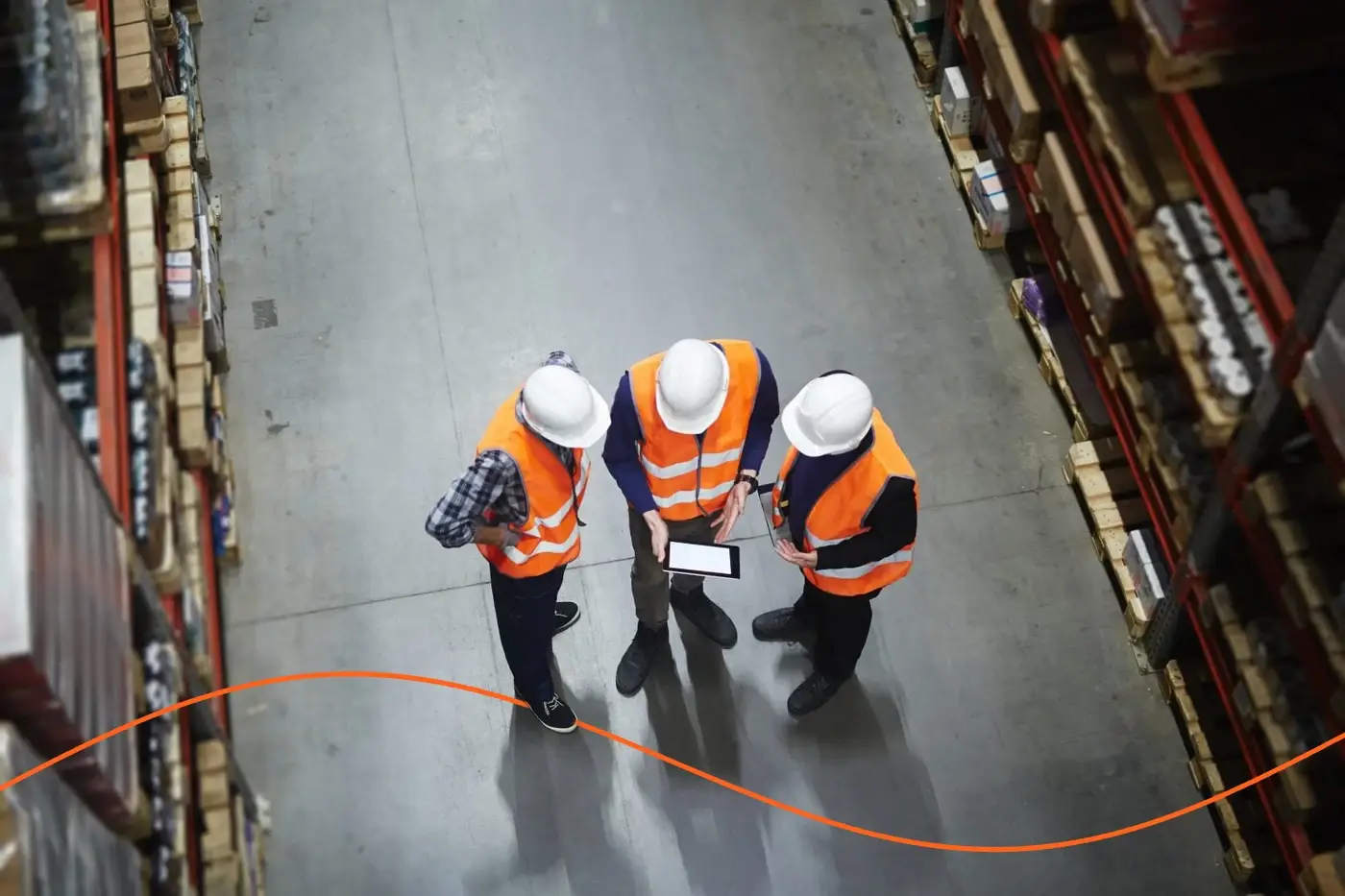
An OHS partner that knows the obligations of Quebec employers
Non-compliance in occupational health and safety exposes employers to CNESST fines, civil lawsuits and premium increases. Our advisors help you anticipate, not just react.
What sets us apart
Physicians, clinical nurses and OHS advisors work together, a rare combination that covers both the medical and regulatory aspects of your obligations.
Our trainers come to your company: day, evening or weekend, in several groups if needed. No travel for your employees, no loss of production.
Our training uses scenarios drawn from your specific sector of activity, not generic examples. Learning grounded in your reality is more effective and longer lasting.
Services across all of Quebec: urban, suburban and remote regions, and isolated work sites. Clinic management in remote settings available.
Legal obligations : Quebec employers
Frequently asked questions: Occupational health and safety
Everything employers and HR managers need to know about OHS obligations in Quebec: prevention program, mandatory training, CNESST compliance and response in the event of an accident.
Since the 2022 reform of the LSST, the obligation to have a prevention program has gradually been extended to all establishments, according to their risk level. Group I establishments (high risk: construction, mines, heavy industries) are subject to it first, followed by groups II and III. The program must identify risks, provide for corrective measures and be accessible to all workers.
Ref.: LSST ss. 58-62, Regulation respecting prevention programsThe LSST requires employers to train workers on the risks of their job and on preventive measures (s. 51). Some training is specifically mandatory under sector regulations: WHMIS 2015 for any worker using hazardous materials, lockout training for workers exposed to hazardous energy, working at heights for positions at risk of falls. Other training depends on your sector and your specific activities.
Ref.: LSST s. 51, RSSST, WHMIS RegulationWHMIS (Workplace Hazardous Materials Information System) is the Canadian standard for identifying and communicating chemical hazards. The 2015 version is aligned with the UN Globally Harmonized System (GHS). Any worker who handles, uses or may be exposed to a hazardous material must receive WHMIS training, in practice, this applies to almost all industrial, cleaning, health care, food service and construction sectors.
The health and safety committee is a joint structure (employer + workers) that is mandatory in establishments with 20 or more workers in the sectors concerned. It meets regularly to analyze risks, investigate accidents and recommend measures. The prevention representative is designated by the workers and acts in smaller establishments, they have access to the workplace, the right to investigate and paid release time.
Ref.: LSST ss. 68-76, ss. 90-100- Infraction simple (personne physique) : from $1,500 to $75,000
- Infraction simple (personne morale) : from $6,000 to $300,000
- Repeat offence: fines doubled
- Serious offence (fatal or serious accident): up to $600,000
In addition to penal fines, employers may face an increase in their CNESST premiums (pooling rate), civil lawsuits and correction orders with an imposed deadline.
Ref.: LSST ss. 236-237Yes. OHS training may be eligible under the Act to promote workforce skills development and recognition (commonly known as the 1% Act). Employers whose payroll exceeds $2 million must spend at least 1% of it on staff training, and qualifying OHS training expenses can be counted toward this mandatory investment. Consult your accountant to confirm the eligibility of each training course.
- Immediately: secure the area, provide first aid, call emergency services if necessary
- Within 24 hours: report the accident to the CNESST if a worker is injured (form AT-SPSS)
- Within 48 hours: begin the on-site investigation, preserve evidence, take photos, gather witness statements
- Within 5 days: complete the investigation report and identify the causes (cause tree method)
In the event of a serious accident (death, mutilation, serious injury), the CNESST must be notified immediately and the scene preserved until authorization to intervene is given.
Ref.: LSST s. 62, LATMP ss. 267-268Ergonomic assessment consists of analyzing workstations according to 5 risk factors for musculoskeletal disorders (MSDs): excessive force, awkward postures, repetitive movements, vibrations and mechanical contact. Our advisors use validated observation grids (RULA, NIOSH) to quantify the risks and recommend adjustments, surface heights, adapted tools, job rotation, active breaks. MSDs account for more than 40% of work-related injuries in Quebec.
The Act to modernize the occupational health and safety regime (Bill 59) brought major changes: extension of prevention mechanisms (OHS committees, prevention representatives) to sectors not previously covered, new rights for pregnant workers, expanded coverage for atypical workers, and stronger obligations regarding the prevention of psychosocial risks. Implementation took place gradually between 2022 and 2024 depending on the groups of establishments.
Ref.: Act to modernize the OHS regime, 2021The employer has an obligation to reinstate the worker under the LATMP, the worker must return to their usual job or an equivalent position. The process includes: a medical assessment of residual capacity, a gradual return plan coordinated with the attending physician and the CNESST, adaptation of the job if necessary (temporary assignment), and regular follow-up. Our medical and nursing team can coordinate the return-to-work plan with your CNESST advisor.
Ref.: LATMP ss. 236-251Yes. Clinique Omicron offers specialized services for remote settings: setting up and managing medical clinics on worksites, deployment of nurses and physicians to remote regions, on-site OHS training, pre-employment medical examinations for workers in the regions, and emergency protocols adapted to geographic remoteness. These services are available for mining, forestry and construction sites and for infrastructure projects throughout Quebec.
Employers have a legal obligation to have a psychological harassment prevention policy and a complaint-handling process (Act respecting labour standards, s. 81.19). Our program includes: training managers to identify and intervene, awareness training for all staff, drafting or revising the internal policy, and support in handling reported situations. Psychological harassment that is not addressed can lead to CNESST claims and proceedings before the Tribunal administratif du travail.
Ref.: LNT ss. 81.18-81.20Omicron Clinic
Need to consult a doctor?
In-person or via telemedicine, anywhere in Quebec.
We accept insurance. Telemedicine consultations available 7 days a week. No family doctor required.